Women

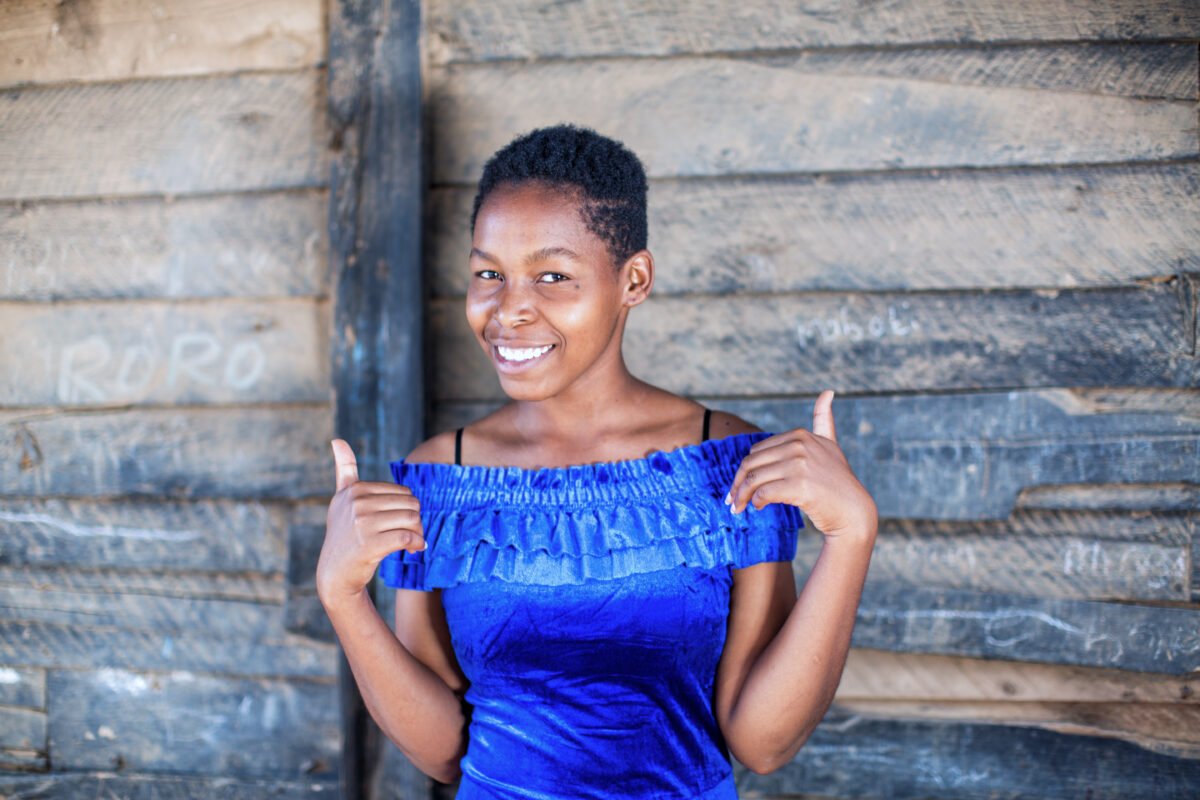
young woman in blue shirt holding her thumbs up

Women are disproportionally affected by HIV. In 2022, girls and women made up more than half of the 37.7 million people living with HIV –namely 20.2 million. As a result, AIDS remains the number one death cause for young women worldwide. A main driver for increased levels of contracting HIV is poverty. In many places (young) women lack sustainable livelihoods and income, lack opportunities to education, and face gender inequality.

Ending AIDS by 2030 means that we need to put women at the centre of the response.

20.2

million girls & women are living with HIV globally

4000

adolescent girls & young women (aged 15-24 years) infected by HIV weekly

46 %

of all new HIV infections were among women & girls globally in 2022

Project

Project to highlight?

Check out our projects!

Illustration of a man in glasses and a blue shirt.
project

Tanya Marlo Indonesia – Stepped Care Model

Tanya Marlo Indonesia – Stepped Care Model

Tanya Marlo (‘Ask Marlo’) works to reach young people with quality HIV information and guides them to tailored advice and services, such as HIV self-testing and PrEP.

Communities
  • Children,
  • LGBTIQ+ people,
  • People living with HIV,
Read more about Tanya Marlo Indonesia – Stepped Care Model
project

EmpoweRing: Prevention by Choice

EmpoweRing: Prevention by Choice

Through the EmpoweRing project we advocate for accelerated approval and uptake of the Dapivirine vaginal ring as an HIV prevention tool for women and girls in Uganda, Kenya, Tanzania and Rwanda. The Dapivirine ring is the first discreet, women-controlled, long-acting HIV prevention product. Running throughout 2022, the project will be implemented by International Community of Women living with HIV Eastern Africa (ICWEA) and partners using the Youth Advocates model. This model seeks to empower and build resilience among adolescent girls and young women in addressing HIV needs.

Communities
  • Adolescent girls,
  • Young women,
Read more about EmpoweRing: Prevention by Choice
project

Lafyian Yara

Lafyian Yara

In eight districts in Taraba state, Nigeria, this project aims to increase uptake of HIV services among children aged 0-14 years and to reduce mother-to-child transmission, by 2022.

Communities
  • Children,
  • Women,
Read more about Lafyian Yara
project

Kusingata

Kusingata

Kusigata aims to contribute to children and mothers living with or affected by HIV living healthier lives and reach their full potential.

Communities
  • Children,
  • Women,
Read more about Kusingata
Female holding a baby outdoors near a building.
project

BLOOM project

BLOOM project

The aim of the project is a healthy life for children and their mothers (10-24) living with or exposed to HIV.

Communities
  • Children,
  • Women,
Read more about BLOOM project
project

Emergency support fund for Ukraine and CEECA region

Emergency support fund for Ukraine and CEECA region

Through the participatory grantmaking model, we provide funding and structural support, including capacity strengthening, support in advocacy and coalition building, to key population-and/or key population-based organisations in the region.

Communities
  • Children,
  • LGBTIQ+ people,
  • People living with HIV,
  • People who use drugs,
  • Sex workers,
  • Women,
  • Young people,
Read more about Emergency support fund for Ukraine and CEECA region
project

Vibrações – Stepped Care Model

Vibrações – Stepped Care Model

As a nationwide youth brand, Vibrações aims to enhance Mozambican young people’s sexual health and reproductive rights by addressing their different needs in a youth-friendly way.

Communities
  • LGBTIQ+ people,
  • People living with HIV,
  • Women,
  • Young people,
Read more about Vibrações – Stepped Care Model
project

Key populations in Central & Eastern Europe and Central Asia

Key populations in Central & Eastern Europe and Central Asia

Through the participatory grantmaking model, we provide funding and structural support, including capacity strengthening, support in advocacy and coalition building, to key population-and/or key population-based organisations in the region.

Communities
  • Children,
  • LGBTIQ+ people,
  • People living with HIV,
  • People who use drugs,
  • Sex workers,
  • Women,
  • Young people,
Read more about Key populations in Central & Eastern Europe and Central Asia