


BLOOM project
BLOOM project
The aim of the project is a healthy life for children and their mothers (10-24) living with or exposed to HIV.
- Children,
- Women,
Read more
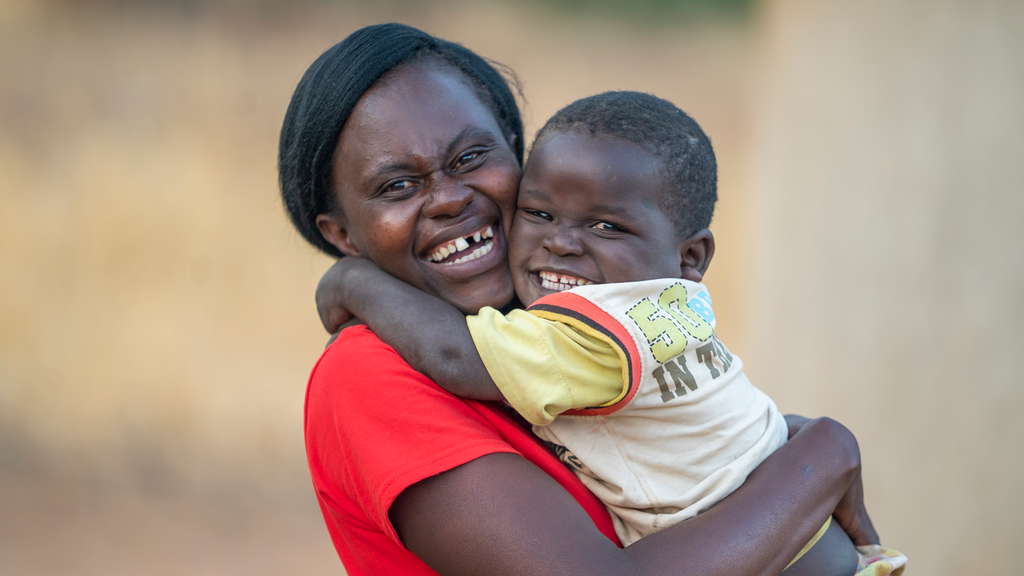
Communities know best how to identify children most vulnerable to HIV infection and how to support them to test for HIV, initiate treatment and sustain treatment for the long-term. Building on local knowledge and local community structures, community-based models are effective, sustainable and critical for filling the gaps in paediatric HIV care and treatment to reach global goals.
Without treatment, 50% of children born with HIV die before age two.
HIV care and treatment for children and pregnant women in low-resource settings comes with a number of challenges. These include long distances to health facilities, stock outs of antiretroviral treatment or lack of paediatric antiretroviral treatment, health facility staff shortages and high workloads. These health system challenges are complicated by community challenges – poverty, food insecurity, stigma and discrimination. Those most affected are children. This is unacceptable. Join us in bringing kids to care!
+ children die of AIDS each day
new HIV infections in children each day
are not on treatment
of children will die before the age of two without HIV treatment
The Aidsfonds Kids to Care model is a four-stage community-based model that empowers communities to strengthen the links between communities and health facilities to find, test, treat, and retain children, and pregnant and lactating mothers, living with HIV. We work in collaboration with governments and local partners, to test and scale up community-based HIV programmes. These are based on the Kids to Care model that is part of our Paediatric HIV approach to ensure children can live healthily with HIV.
The aim of the project is a healthy life for children and their mothers (10-24) living with or exposed to HIV.
Read more

The KidzAlive@Home project in South Africa puts the child at the centre of care. Its needs are taken care of within a circle of key players, including their caregivers, the child’s family, community structures and the health facility.
Read more

In eight districts in Taraba state, Nigeria, this project aims to increase uptake of HIV services among children aged 0-14 years and to reduce mother-to-child transmission, by 2022.
Read more

This community-based program will trace children living with HIV, who are not yet enrolled in health care or have dropped out, refer them to health centres and follow up on them after they are enrolled in care. Through community resource persons and village health teams, and using an integrated approach, we will address the barriers that are hindering children who are living with HIV access to treatment. 3600 children living with HIV will be traced and (re-)enrolled in health care as a result of the program.
Read more

Kusigata aims to contribute to children and mothers living with or affected by HIV living healthier lives and reach their full potential.
Read more

The Breakthrough Partnership is a commitment to end paediatric HIV in regions most urgent.
Read more

Tanya Marlo (‘Ask Marlo’) works to reach young people with quality HIV information and guides them to tailored advice and services, such as HIV self-testing and PrEP.
Read more

Through the participatory grantmaking model, we provide funding and structural support, including capacity strengthening, support in advocacy and coalition building, to key population-and/or key population-based organisations in the region.
Read more
Through the participatory grantmaking model, we provide funding and structural support, including capacity strengthening, support in advocacy and coalition building, to key population-and/or key population-based organisations in the region.
Read more

Read story